
Energy transition as a job engine
The energy transition is a job engine that is growing worldwide and creating many new jobs, especially in the solar and wind energy sectors.
Examples:
- In Germany, the proportion of advertised jobs in renewable energies rose from 1.8 to 3.4 per cent between 2019 and 2024. This corresponds to an increase from 173,000 to 372,000 jobs – despite the coronavirus pandemic and economically turbulent times. The energy transition is proving to be a crisis-proof job engine.
- According to the International Renewable Energy Agency (IRENA) in Abu Dhabi, more than 17 million people worldwide are already employed in the renewable energy sector. Photovoltaics accounts for the most jobs within the renewable energy sector.
- IRENA forecasts 42 million jobs worldwide in renewable energy by 2050.
Renewable energies are available to us as virtually inexhaustible and inexpensive energy sources, in contrast to the previous fossil and nuclear energy sources, which are becoming increasingly expensive. The solar energy transition is primarily intended to serve climate protection, but it also provides us with secure and cheap energy, independent of rogue states as has been the case up to now.
In addition: Independent of coal, oil, gas or uranium: renewables also offer excellent career opportunities.
China is currently making the most of these opportunities. By 2025, the Middle Kingdom will have more than twice as much renewable energy capacity as the rest of the world combined. And it has created sustainable jobs in China to match. Over 90 per cent of the photovoltaic systems currently installed in Germany had to be imported from China.
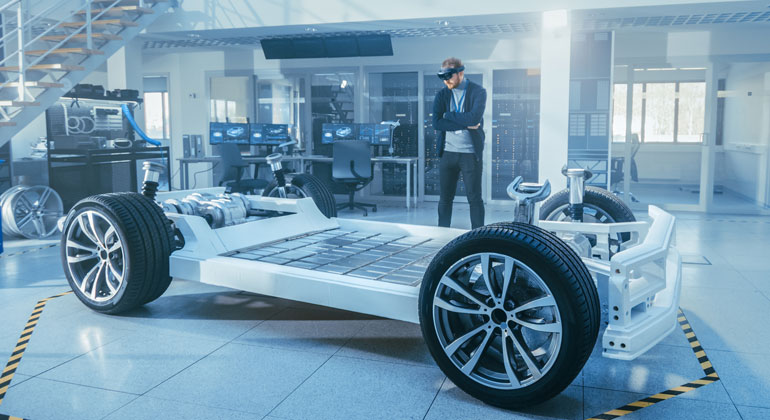
The traditional German automotive industry is currently losing a huge number of jobs because it has slept through the future of electric cars for too long. This development clearly shows how the global economy is changing. However, many of the jobs that are being lost in the old automotive industry today are well suited to the new sectors of the future energy industry. EnBW alone plans to hire 7,500 new people in 2026 and 2027. Many of these will come from the old automotive industry in Baden-Württemberg.
In order for the further and faster expansion of renewable energies to succeed, new people are needed in the industry: for the expansion of district heating, for millions of heat pumps, for millions of electric cars, for stable grids, for many storage facilities, for smart electricity meters and for complete digitalisation. This transition requires millions of new jobs.
That is why Germany and the EU must start catching up with China: we need at least 100 new solar factories in Europe to avoid falling even further behind the Chinese. This is a key political task for the future.
Renewables are benefiting from the fact that many jobs are currently becoming available in the old automotive industry. This is an opportunity for the future in today’s job crisis. The already advanced global solar revolution means many new jobs, but also climate protection, declining refugee flows, greater prosperity, more justice and no wars over oil and gas.
The sun is winning – the solar age is beginning. So what are we waiting for?
Source
Franz Alt 2026 | Translated with www.DeepL.com/Translator