Global Guardian Releases 2027 Global Risk Map, Highlighting How Threats Vary Within Countries
Risk rises across the Middle East and the Americas after a year defined by two global health emergencies, the closure of the Strait of Hormuz and AI-driven cyberattacks
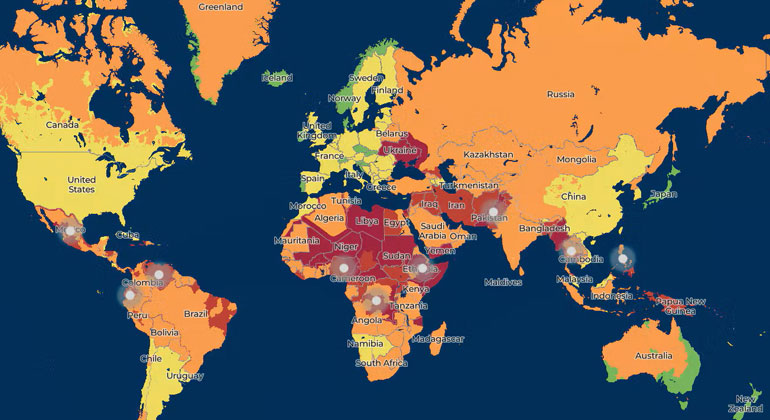
Global Guardian, the leading international duty of care provider serving Fortune 1000 companies, high-net-worth individuals, and global organizations, today released its 2027 Global Risk Map, revealing where risk is rising, where it is falling, and why a country’s rating can hide the real danger to travelers on the ground.
New this year: Five designations that highlight risks a country-level rating can miss. The 2027 map identifies the cities carrying the highest overall risk, the countries with the highest data exposure risk, where travelers should carry a dedicated “burner device,” and the countries with the highest risk of arbitrary detention, health threats, and environmental hazards.
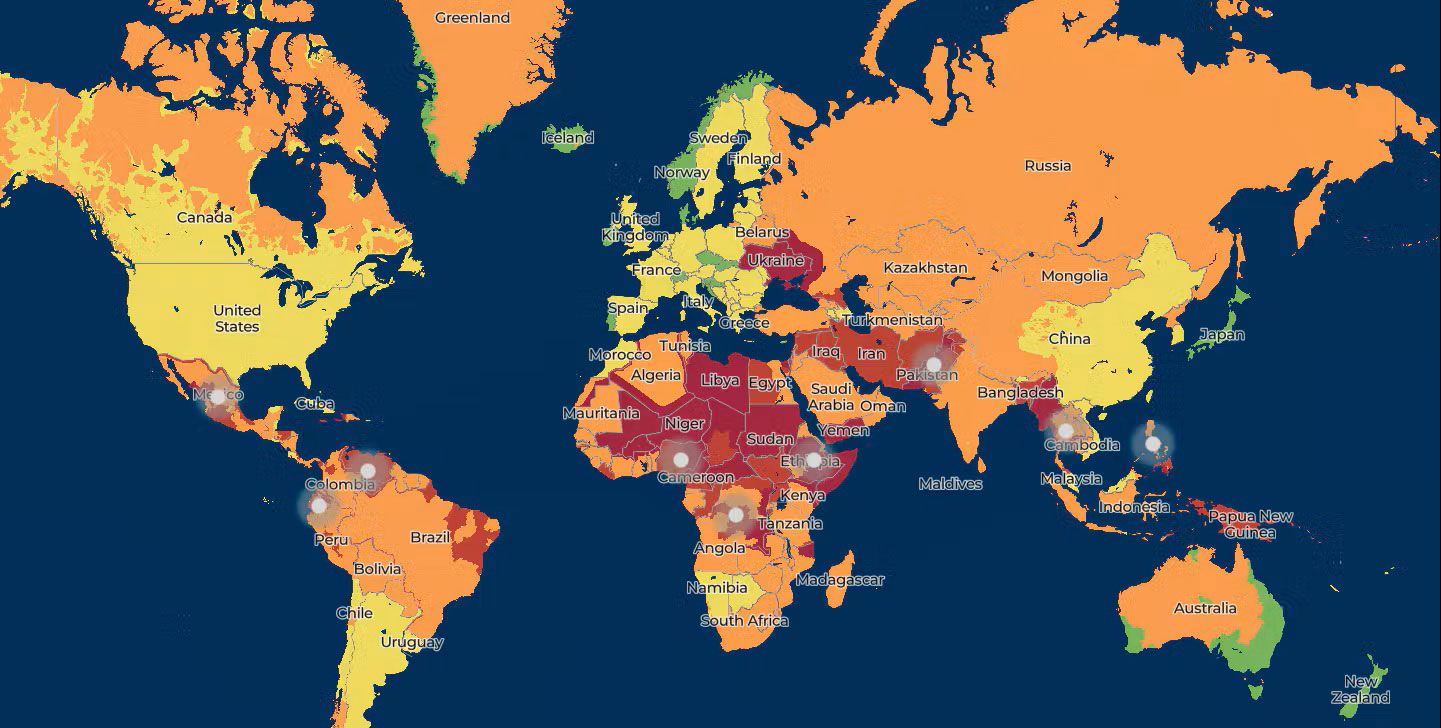
The map rates countries across key indicators including crime, conflict, health, natural disasters, infrastructure, political stability, civil unrest, and terrorism. Significant shifts this year include risk rising across the Middle East and parts of the Americas while Jamaica, South Korea, and Hungary improved.
Those shifts follow a year of compounding disruption. In 2026 alone, two global health emergencies (Hantavirus and Ebolavirus), the closure of the Strait of Hormuz and the oil shock that followed, and the arrival of AI models with superhuman hacking capabilities created new challenges for governments, businesses, and travelers.
The report also examines how crime and conflicts fluctuate across cities, rural areas, and peripheral regions. While cities often have more developed infrastructure, stronger government control, and better medical care than the surrounding countryside, a city just a few miles away can face far higher levels of crime and civil unrest. Rural areas are typically insulated from urban crime and protest, but peripheral regions carry their own threats: Weak government control, bandits, traffickers, insurgents, and infectious disease.
“Risk doesn’t stop at a country’s borders, and a national rating can’t paint a full picture,” said Global Guardian CEO Dale Buckner. “Understanding where a threat exists, what’s driving it and how it changes across regions helps organizations and travelers make more informed decisions about where and how they operate.”
As physical and cyber threats, geopolitical tensions, economic pressures, and local security conditions increasingly collide, understanding what drives risk at both the country and regional level is essential to protecting businesses and travelers worldwide.
- Click here to download and explore additional insights from the 2027 Global Risk Map.