
The question of humanity’s survival
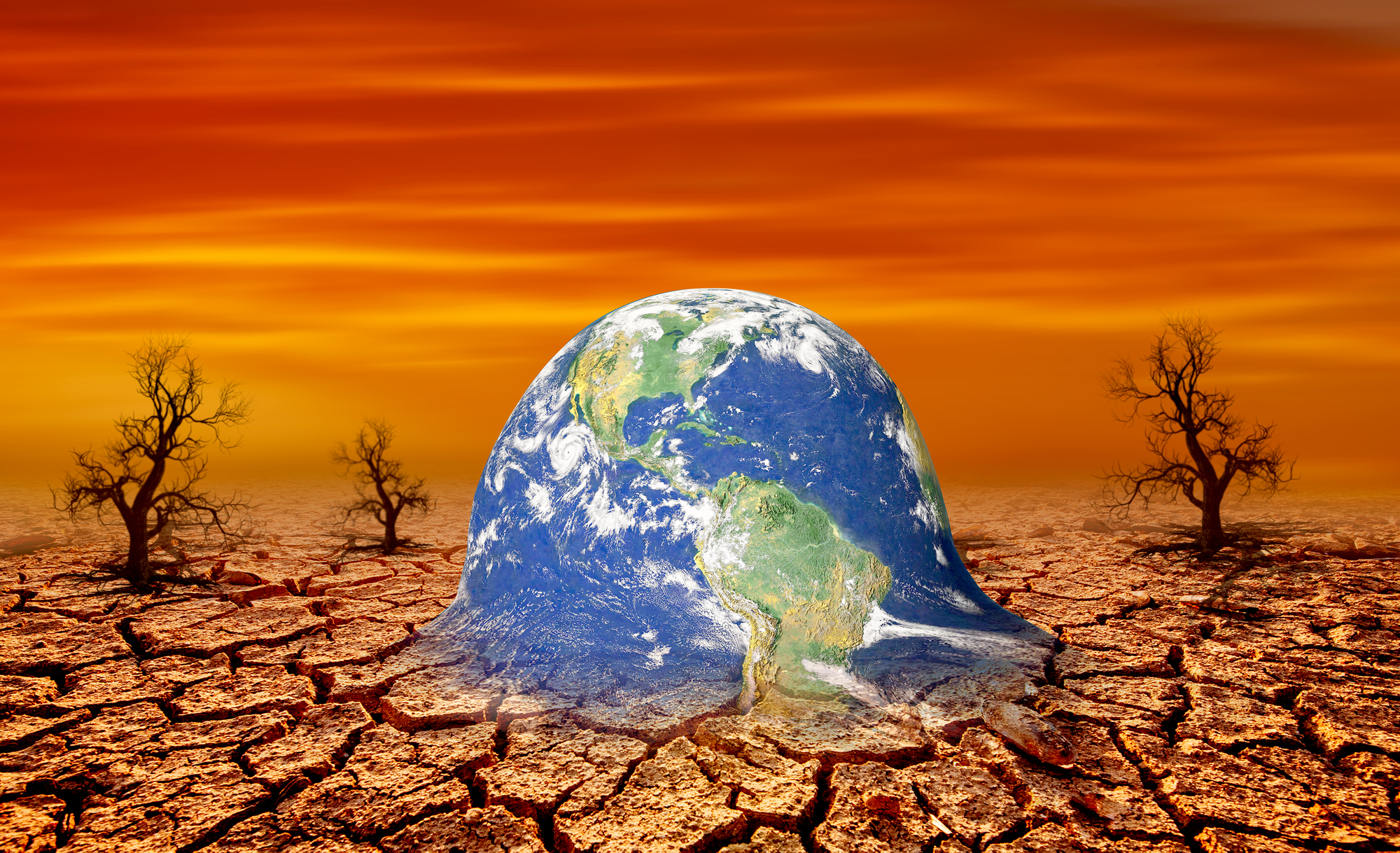
If even the German Chancellor says of the catastrophic drought of summer 2026: ‘It was climate change’, then surely even the last denier of man-made climate change must now wake up to reality.
After all, Friederich Merz has personally played a massive part in fuelling climate change over decades as a representative of one of the world’s largest financial services firms and as a member of BlackRock’s German board.
Now, however, on top of all the reports of disasters – the summer heatwave, the wildfires and the crop failures – comes the flash flood in the Himalayas, which has so far claimed over 600 lives and left thousands injured and missing. The images of destruction are, at first, staggering. But we must ask ourselves: what is to be done? The flash flood in Nepal and Tibet epitomises the transformation of nature brought about by climate change.
The mountains are beginning to collapse – this was the case in May 2025 in Blatten, Switzerland, and it is the case now too, primarily because the glaciers are melting: in the Himalayas, Greenland, the Arctic, Antarctica, Alaska and the Alps.
How can we help the poorest people in the Himalayas now?
After all, it is a fact that these poorest people have contributed the least to climate change, yet are the ones who suffer the most as a result. And we, in the wealthy industrialised world, are the main culprits behind this catastrophe. We must finally realise that climate change has become a matter of survival for humanity.
The poor countries are right to demand billions in aid from the rich countries at every World Climate Conference to combat climate change. The Himalayan countries, for example, need an early-warning system like the one that prevented the worst from happening in Switzerland two years ago. It is likely that entire villages in the Himalayas will now have to be rebuilt. This will cost money and must be financed from abroad, including by Germany. It will certainly be expensive, but not doing so would be irresponsible. International solidarity comes at a cost, but it is worthwhile for everyone.
Here in Germany, too, the heatwave and drought are leading to crop failures. The prices of vegetables, cereals and even honey will rise. Added to this is the political folly of the wars in Ukraine, the Suez and Iran, which will cause food and petrol prices to rise further in Germany as well.
Due to global warming, fewer plants are growing and many animal species are disappearing. Record temperatures, drought and water shortages are turning the cycle of life into a vicious circle. These days, you hear farmers saying: “What we still consider extreme today will soon be the norm.”
Drought is hampering the growth of potatoes and wheat, and prices are rising across Europe. *Der Spiegel* writes in its latest climate report: “Even in greenhouses, the high temperatures are causing stress to the plants, resulting in lower yields of cucumbers and peppers. Consumers are therefore also likely to feel the effects of the drought on these crops in their wallets… A new study by the Johannes Gutenberg University of Mainz and the Czech Academy of Sciences also demonstrates the strong link between wheat prices and water scarcity. A specially developed indicator, which tracks droughts in the four months prior to harvest, was able to account for 74 per cent of annual price fluctuations between 2000 and 2021. The researchers combined their analysis with climate models. According to the study, with global warming of three degrees, the average price of wheat could be around three times higher than in 2010” (Spiegel climate report, 28 August 2026).
When will the German Chancellor, too, stop merely stating vaguely, “That’s climate change”, and instead draw conclusions from this realisation?